





















































































Specialising in providing a wide range of IT technology and services to meet the needs of businesses and organisations of all sizes.
We offer intelligent AI-driven solutions at competitive rates to help your business deliver smarter experiences, gain deeper insights, and stay ahead in the digital era!
We assess your data, systems and processes to find out what's actually ready for AI, before you spend a dollar.
We identify which AI use cases are worth pursuing and attach a realistic ROI to each one.
We design, build and deploy the system - engineering work, not just a strategy deck.
We keep monitoring and tuning after launch, so the system stays as good a year from now as it was on day one.
Take a look at our work to see the quality and innovation that we bring to every project we undertake.
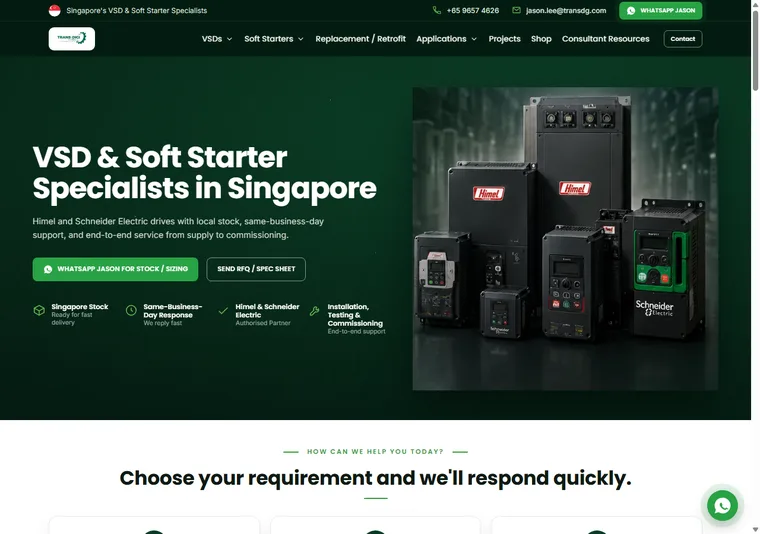
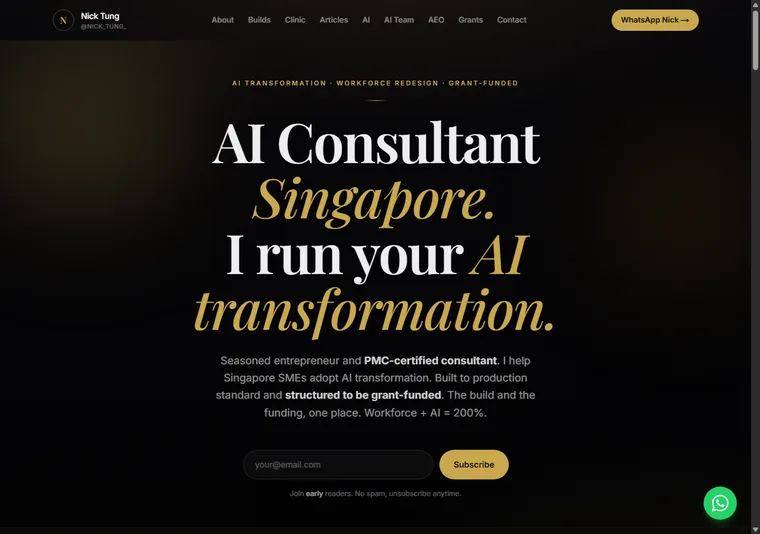
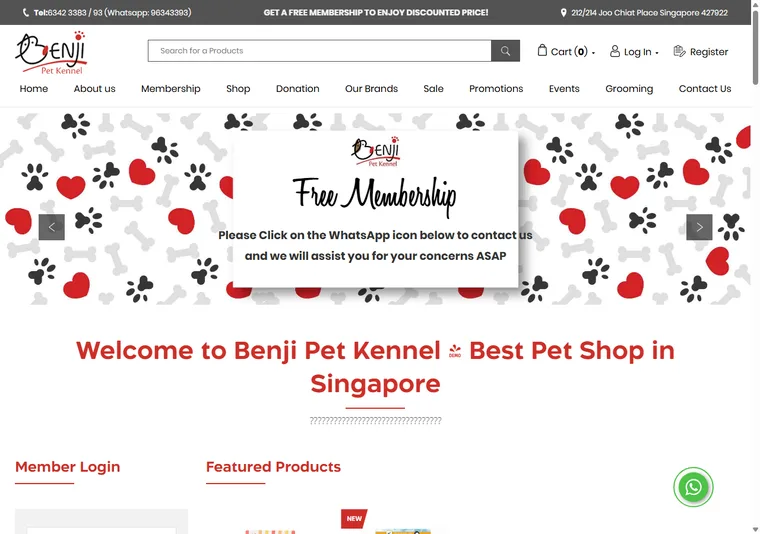
Most businesses know AI is worth paying attention to but have no idea where it actually fits into what they do. Without that clarity, it is easy to invest in the wrong things, chase the wrong use cases, and walk away with results that do not justify the spend. This is where we come in. We dig into your operations, identify the specific areas where AI can create real, measurable value, and attach realistic return on investment projections to each one so you are never making decisions based on guesswork. By the end, you will know exactly where to focus, what to expect, and why it is worth pursuing.

Before any AI solution can deliver results, the foundation underneath it needs to be solid. That means your data needs to be in good shape, your systems need to be capable of supporting AI tools, and your processes need to be understood clearly enough to know where AI can genuinely help. A lot of businesses skip this step and pay for it later when projects stall or underdeliver. Our AI Readiness and Data Audit gives you an honest, detailed picture of where you stand today, what is working in your favour, and what needs to be addressed before you commit budget to building anything.

Knowing that AI is the right move for your business is one thing. Knowing how to actually get there in a way that is structured, realistic, and built around your specific situation is another thing entirely. Without a clear plan, AI initiatives tend to lose momentum, run over budget, and deliver less than they were supposed to. Our AI Implementation Roadmap gives you a step by step plan that covers what to build, in what order, with what resources, and over what timeline so that when you start moving, you are moving in the right direction with full confidence.

Deploying an AI solution is not the finish line. The models that power your AI can drift over time, the outputs can shift in quality, and without someone keeping a close eye on what is happening, problems can quietly build up before anyone notices. Our AI Performance Monitoring and Reporting service keeps continuous watch over your deployed AI systems, tracks how they are performing against the goals they were built to achieve, and gives you clear, business relevant reporting that tells you exactly what your AI is doing and where it can be pushed further.

Your customers and teams expect fast, accurate responses and they increasingly do not want to wait for them. A well built conversational AI agent meets that expectation around the clock, handling real conversations with real context rather than bouncing people through scripted dead ends. We design and build conversational AI agents that understand what people are actually asking, maintain context throughout the interaction, and integrate with your existing systems so every response is not just fast but genuinely useful. Whether it is customer support, lead qualification, or internal assistance, we build agents that represent your business well.

There is a good chance your team is spending more time than you realise on work that software should be handling automatically. Manual data entry, approval chains that depend on someone remembering to follow up, information that lives in one system but needs to be in another, these things add up to a significant drain on time, energy, and accuracy. We map out how work moves through your business, identify what should never have required human effort in the first place, and build the automation and system connections that make it happen without anyone having to think about it.










Most businesses do not need more technology. They need the right systems, built around the way they actually work. Freemansland is a Singapore-based Industry 5.0 consulting and technology agency: we pair artificial intelligence with human-centric design so your team gets faster, sharper and more resilient, not replaced.
We build with the tools that define this era: Generative AI, Retrieval-Augmented Generation (RAG) and the Model Context Protocol (MCP). In plain English, that means AI that knows your business context, answers with your own data, and plugs into the software you already use.
Every engagement starts with people, not platforms. We find where AI genuinely pays off in your operations, design the system around your team, then build it, deploy it and keep optimising it long after launch.
The result: growth that is profitable, sustainable and built to last. That is Industry 5.0 in action. Technology built for humanity, solutions built for tomorrow.
Freemansland Consultancy Pte Ltd is certified under the CSA Cybersecurity Certification, Cyber Essentials mark for ICT Vendors (certificate CEM-2026-246, valid to 26 July 2028), issued by ISOCert Pte Ltd.
The certification covers our production and development environment: the systems we actually build in and deliver your project from. If you are putting business data through an AI system, this is the baseline you should be asking any vendor to show you.
Tell us what your business does and where the bottlenecks are. We will come back with an honest read: where AI can help, where it cannot, and what it would take.
Or WhatsApp us directly at +65 9184 9908